I walked into the theater bracing for a specific kind of disappointment, the sort that usually follows high-concept sci-fi where the "alien" is a glorified sock puppet or a distracting pile of pixels. My expectations were a coin toss between a gripping space drama and a hokey B-movie mess that would require a massive amount of internal forgiveness to sit through. I sat in the dark, prepared to squint past the strings, only to find my skepticism evaporating before the first thruster ignited.
| Image by Wikipedia |
The Gosling Standard
Ryan Gosling doesn’t just lead this film; he grounds the entire improbable universe. It is one thing to carry a scene, but it is quite another to make me entirely forget I was watching a man interact with a puppet. His performance is so seamless and sincere that the silliness of the idea simply vanishes. Whether he was portraying the wholesome budding of a cross-species friendship or the sheer, jagged distress of trying to communicate with a literal alien, Gosling proved once again that his range is practically atmospheric. He isn't just "the star"—he is the emotional tether that keeps the movie from drifting into absurdity. |
| Image by Collider |
A Rock with a Soul
If Gosling is the heart of the film, Rocky is its undeniable soul. The puppeteering here is a masterclass in craft, making a rock creature feel startlingly natural and organic. While CGI clearly played its part in the grander moments, there is a tangible, human-driven performance behind Rocky that allows for incredibly subtle emotional beats. Watching a non-humanoid entity convey such depth made the character feel alive in a way that pure digital effects rarely achieve. It’s a testament to the creators that I stopped seeing a "creature" and started seeing a companion. |
| Image by Nerdist |
Narrative Orbit and Scientific License
The plot itself is somewhat thin, operating on a "don't think about it too much" frequency that actually serves the film’s pacing. It avoids drowning the audience in dense jargon, which usually works, though it isn't without its wobbles. As someone with a passing familiarity with the math involved, I found it a bit jarring to see a molecular biologist—not an astrophysicist—solving complex orbital mechanics by drawing straight lines on a screen without a Z-axis. In reality, you’d need permutations and three-dimensional calculations that the film ignores for the sake of a clean visual. It’s a minor grievance, and frankly, almost no movie gets "the math" right, but it did briefly pull me out of the moment.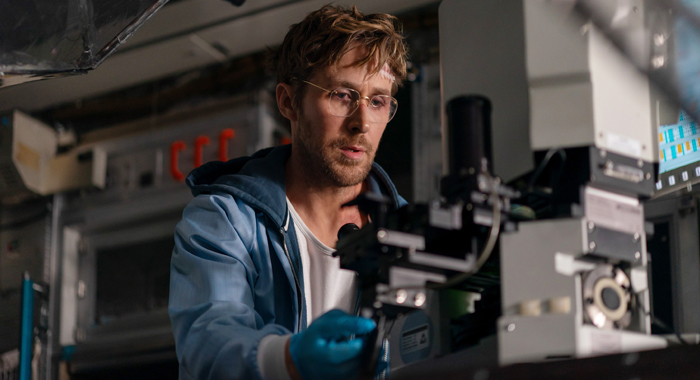 |
| Image by Rotten Tomatoes |
Visual Immersion
The effects are handled with a refreshing level of restraint. Instead of the blatant, oversaturated CGI that plagues modern sci-fi, the visuals here feel integrated and earned. Of course, the planets and the void of space are digital constructions—that’s the nature of the genre—but they are executed with such polish that they never feel like a "work of fiction." The environments felt heavy and real, providing a gorgeous backdrop that never distracted from the central performances.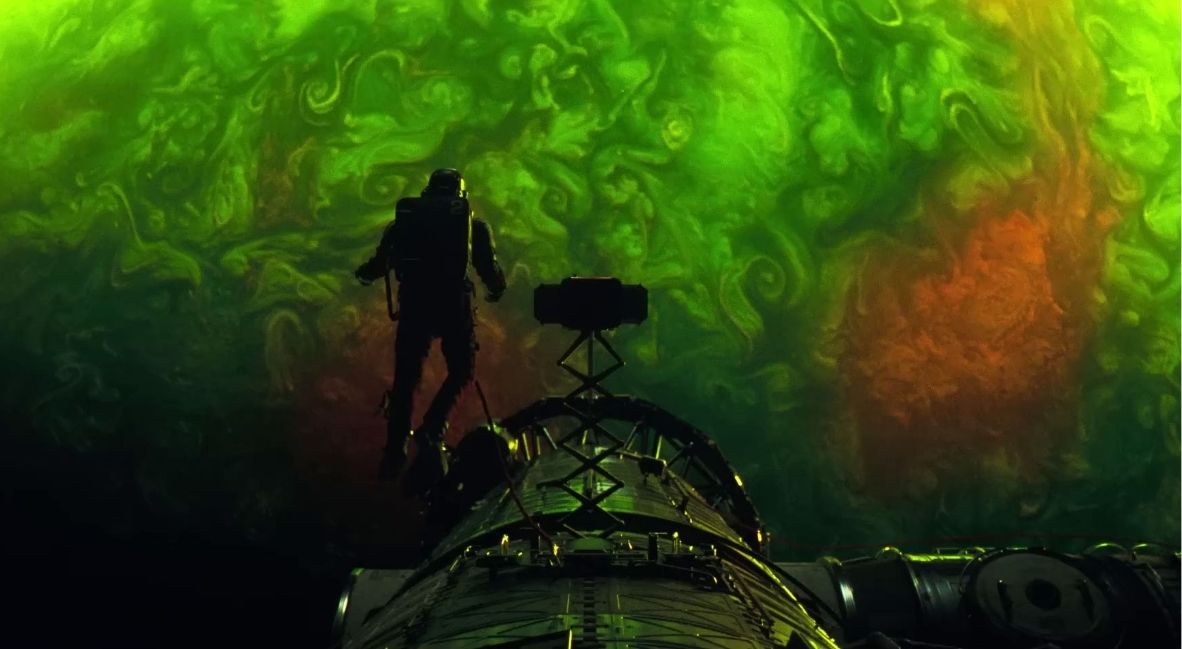 |
| Image by But Why Tho? |
Pay For the Ticket
The strength of this film lies in its ability to turn a bizarre premise into a deeply human story. While the science takes some convenient shortcuts, the technical execution of the characters and the world-building creates an experience that feels tailor-made for the big screen. There is a specific kind of magic in watching this world unfold in a theater that a home setup simply couldn't replicate.Final Score: 8 out of 10
Pros:
✅ Ryan Gosling delivers a versatile, grounding performance that makes you forget the special effects.
✅ Exceptional puppeteering brings Rocky to life with organic, subtle emotion.
✅ High-quality visual effects that feel integrated rather than distracting.
✅ A wholesome and distressing portrayal of first contact and communication.
Cons:
❌ The plot is a bit thin if you scrutinize the "why" too closely.
❌ Overly simplified "straight-line" math that ignores the realities of astrophysics.
Comments
Post a Comment