By the time a horror franchise reaches its sixth entry, I usually assume the creative well hasn't just run dry—it’s been bleached and repurposed as a tip jar. I was so convinced this would be a hollow money-grab that I skipped the theatrical run entirely, content to let the series fade into the background of my "seen it all" mental shelf. It took me five minutes to realize that I had made a massive tactical error in judgment.
 |
| Image by eBay |
Establishing a Brutal Identity
The film picks up where the fifth installment left off, and while that entry was a serviceably "fine," it didn't exactly scream (haha) for a another. However, Scream VI defines its identity within the first five minutes. The opening features the stabbing of a young girl that isn't just a plot point; it is visceral, relentless, and genuinely uncomfortable. It’s a sequence that grabs you by the throat and announces "We understood the assignment". It earns the "slasher" title by being unapologetically brutal, focusing less on gratuitous gore and more on the sheer, terrifying intent of the killer’s actions.
Fleshing Out the Survivors
One of the more surprising elements is the evolution of the core cast. We went from the "surviving characters" of the previous film to seeing them as fully realized people with actual arcs. It is a rare feat in the horror genre to care about whether the protagonists live or die. The performances are solid across the board; you don't go into a Scream movie expecting Oscar-worthy monologues, but the acting here is more than capable of carrying the emotional weight. |
| Image by TheWarp |
A Museum of Ghostface Lore
This movie serves as a brilliant love letter to the entire series, most notably through the "Museum of Ghostfaces." Seeing Billy Loomis’s knife and his original costume displayed like unholy relics was a stroke of genius. It serves a dual purpose: it highlights the twisted worship the new killers have for the legacy, and it visually catches the audience up on the franchise history without a boring exposition dump. They don't just tell you about the past; they show you the blood-stained receipts. The attention to detail was superb here. The lore was (mostly) intact which by itself is a feat of strength. |
| Image by IndieWire |
Cohesive Chaos and Thin Plots
While the plot remains thin—as is tradition for the genre—it is at least cohesive and complete. The story makes sense within the internal logic of the Scream universe, utilizing the usual tropes effectively rather than letting them become a crutch. There is a clear "why" behind the events, which makes the scares feel earned rather than random. The nod to horror royalty with the name "Sam Carpenter" remains a nice touch that long-time fans will appreciate.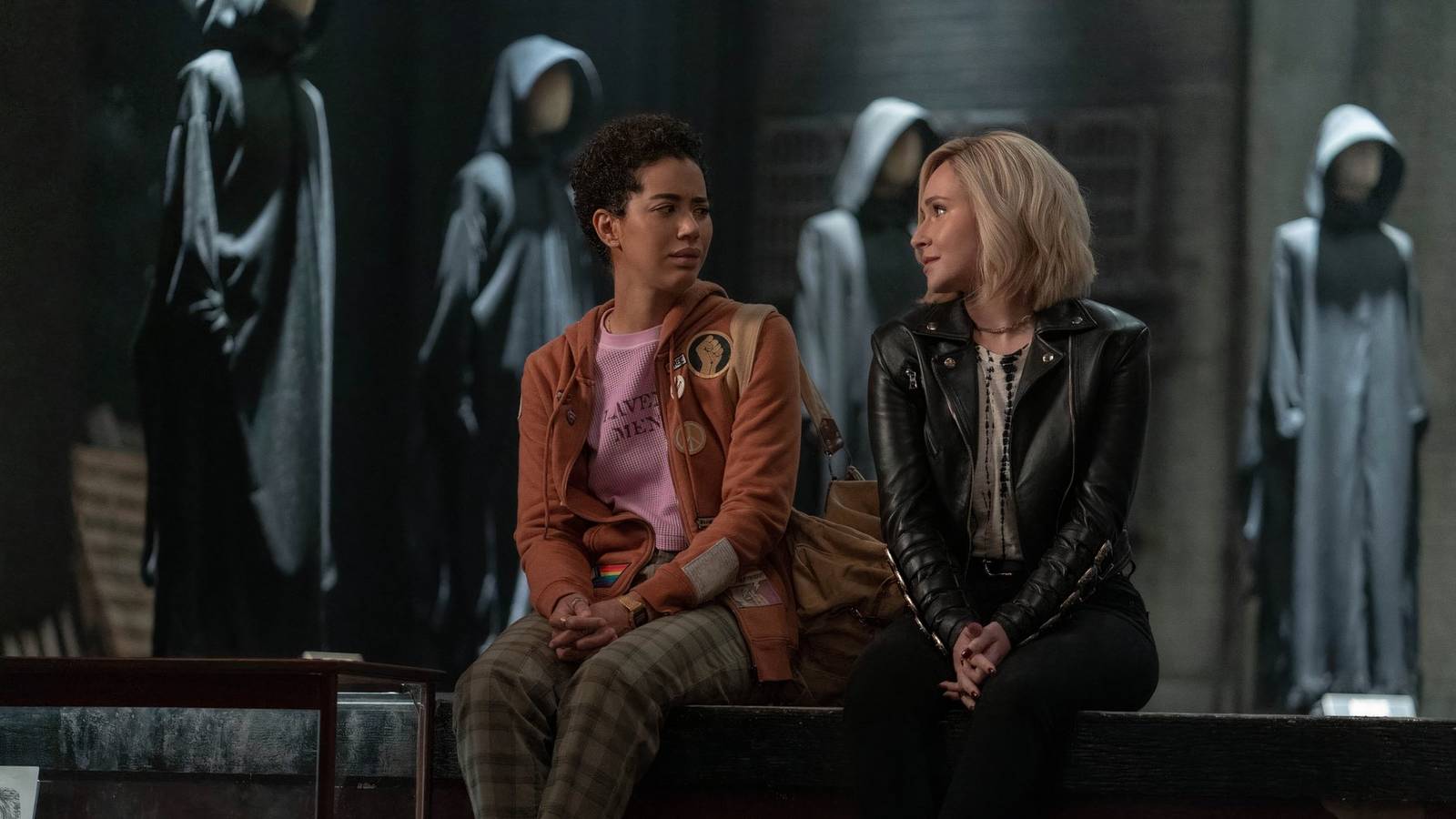 |
| Image by GameRant |
The Missed Opportunity of the Loomis Legacy
If there is a crack in the armor, it’s the ending. Sam Carpenter spends the film wrestling with the shadow of her father, Billy Loomis, even hallucinating conversations with his dead image. When she and her sister Tara "save the day," there was a golden opportunity for a truly dark twist. Having Sam don the mask and officially take up the Ghostface legacy would have been a breathtaking subversion of the "final girl" trope. Instead, they played it safe. It’s a minor gripe in an otherwise stellar entry, but I can't help but feel that they set all this up to almost forget what they've done. I get it, it's a morality thing "The bad guy can't win", but sometimes they do win. And this is an example where the burger was right there on the plate, but they chose the fries instead.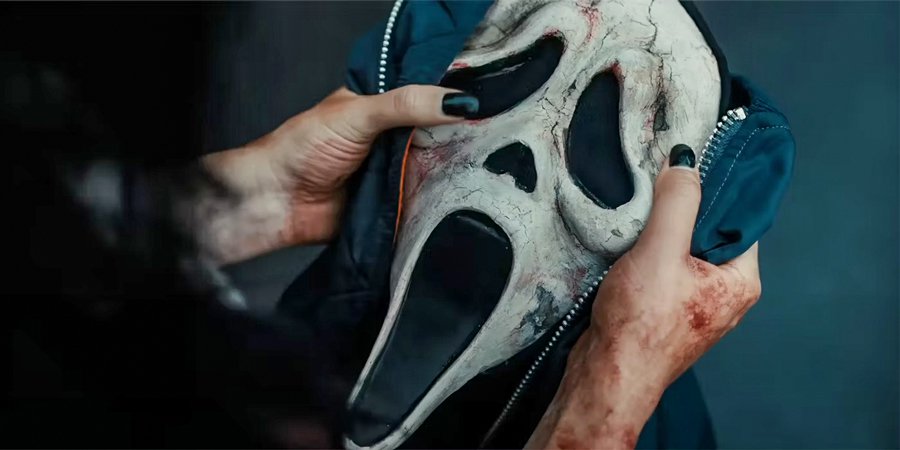 |
| Image by Santa Fe Reporter |
The Slasher Reborn
The ultimate takeaway is that Scream VI isn't interested in apologizing for being a horror movie. It looks at the modern landscape of "elevated horror" and says, "hold my beer," returning to a form of storytelling where the threat feels immediate and the stakes feel physical. It is a serious, sharp, and highly effective entry that proves there is still plenty of life—and death—left in this mask. |
| Image by Ecran Large |
Final Score: 8 out of 10
Pros:
✅ Immediate, brutal tone that establishes stakes in the first five minutes.
✅ The "Museum of Ghostface" is a brilliant piece of visual world-building and nostalgia.
✅ Significant character development for the returning cast.
✅ A cohesive plot that respects the series' tropes while remaining engaging.
Cons:
❌ A missed opportunity for a darker, more daring twist involving Sam’s legacy.
Comments
Post a Comment